Loading…
27" 4K (3840×2160) vs 24" Full HD (1920×1080)
Last updated: February 13, 2026
Overview
Compare a 27" 4K monitor with a 24" Full HD display: physical size, pixel density, and workspace.
Verdict
A 27" monitor is a good middle ground for most use cases. 4K at 27" gives you sharp text and plenty of space with OS scaling (150% is common). A 24" 1080p display is more compact and cheaper; text and UI are larger at 1:1 pixel mapping. Choose 27" 4K if you want more workspace and crispness; choose 24" 1080p if you prefer a smaller footprint and no scaling. For more horizontal space without going huge, consider a 34" ultrawide.
Physical Size Comparison
Relative physical size of each display at scale (same units as your selection).
27" 4K (3840×2160)
24" Full HD (1920×1080)
27" 4K (3840×2160)
in
DIAG27.0 in
W×H23.5 × 13.2 in
cm
DIAG68.6 cm
W×H59.8 × 33.6 cm
24" Full HD (1920×1080)
in
DIAG24.0 in
W×H20.9 × 11.8 in
cm
DIAG61.0 cm
W×H53.1 × 29.9 cm
Pixel Workspace Comparison
Effective pixel workspace with 1x/2x scaling. Shows how much logical space you get on each display.
27" 4K (3840×2160)
24" Full HD (1920×1080)
27" 4K (3840×2160)
NATIVE3,840 × 2,160
WORKSPACE3,840 × 2,160
PPI163
ScalingNormal
24" Full HD (1920×1080)
NATIVE1,920 × 1,080
WORKSPACE1,920 × 1,080
PPI92
ScalingNormal
Content Rendering Comparison
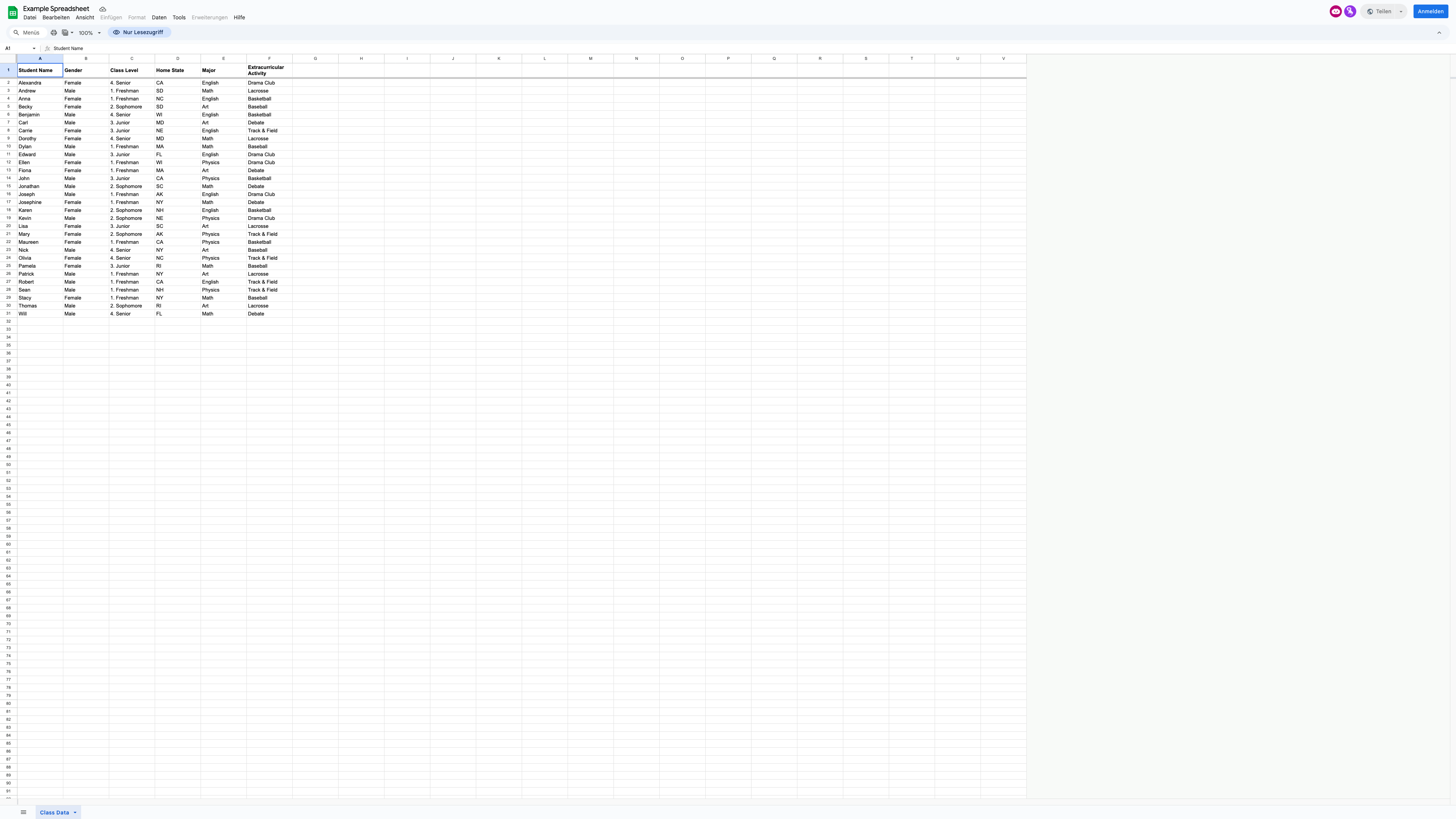
3840×2160
27" 4K (3840×2160)
Screenshot: 4k

1920×1080
24" Full HD (1920×1080)
Screenshot: 1080p
Zoom Comparison
vs
27" 4K (3840×2160)
Screenshot: 4k
100%
PPI: 163
Scaling: Normal
24" Full HD (1920×1080)
Screenshot: 1080p
100%
PPI: 92
Scaling: Normal
What this shows:
- Each side shows the actual screenshot at that resolution (pixel-based PNG)
- At higher zoom you see real pixel detail: lower-res screenshots pixelate, higher-res stay sharper
- Same content type; different resolutions show how much fits and how sharp it renders
27" 4K (3840×2160)
NATIVE3,840 × 2,160
EFFECTIVE3,840 × 2,160
ScalingNormal
PPI163
Screenshot4k
24" Full HD (1920×1080)
NATIVE1,920 × 1,080
EFFECTIVE1,920 × 1,080
ScalingNormal
PPI92
Screenshot1080p
Learn more
Read our guide on display technologies, resolution, and scaling.
View guide articles →